

5 Customer Acquisition Funnels Every Small Business Should Be Using in 2026
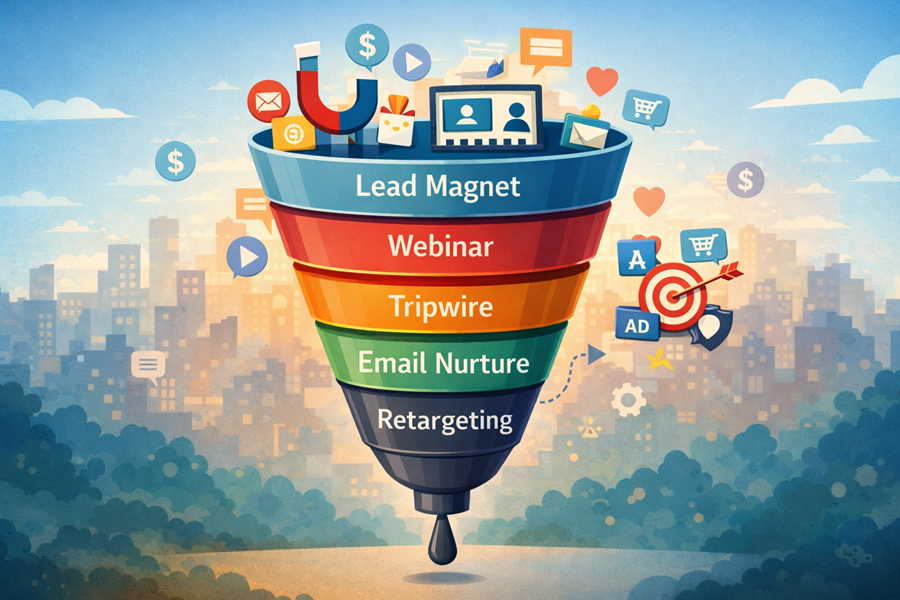
Customer acquisition is the lifeblood of small business growth. In 2026, as competition intensifies and digital platforms evolve, the need for strategic, automated, and conversion-focused marketing funnels has never been more critical. Small businesses must move beyond one-size-fits-all tactics and embrace tailored funnels that guide prospects through the buyer’s journey—building trust, nurturing relationships, and ultimately driving sales.
Below are five high-performing customer acquisition funnels every small business should implement to stay competitive and maximize ROI in the coming year.
1. Lead Magnet Funnel (Awareness to Consideration)
The lead magnet funnel is one of the most effective ways to turn cold traffic into warm leads. It starts by offering a valuable piece of content—such as an ebook, checklist, webinar, or free trial—in exchange for contact information.
Why It Works:
Establishes credibility and trust
Provides immediate value to the prospect
Gathers qualified leads for ongoing engagement
Key Tools:
Landing page builders: Unbounce, Leadpages
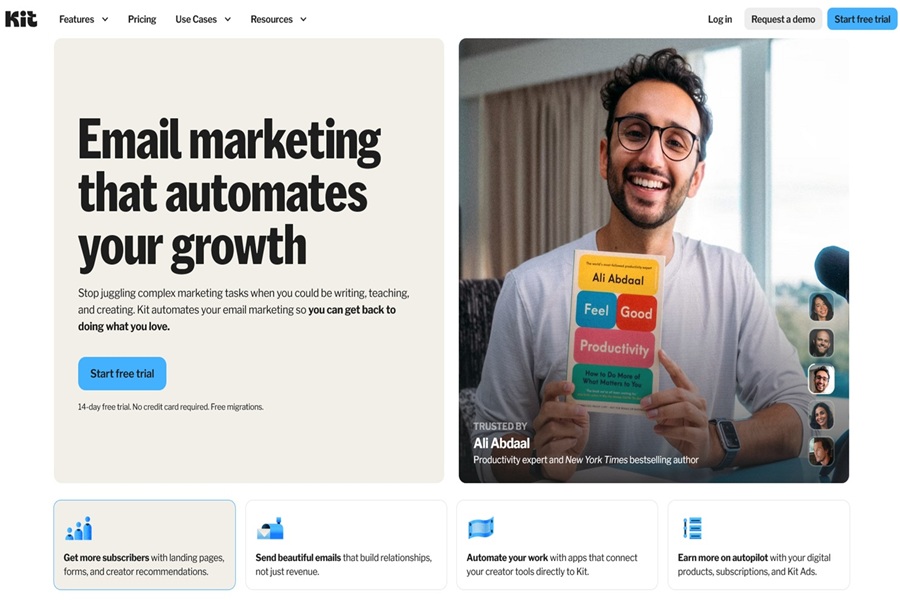
Email marketing platforms: MailerLite, Kit
AI for content generation: ChatGPT, Jasper
Pro Tip: Use AI to test different versions of your lead magnet titles and calls to action (CTAs) to see which convert best.
2. Webinar Funnel (Education to Sales Conversion)
A webinar funnel is perfect for high-touch or high-ticket products and services. It positions you as an expert, educates your audience on a problem, and presents your solution—live or on-demand.
Structure:
Ad or email leads to a registration page
Attendee receives reminders and joins the webinar
You deliver a pitch and follow up with a limited-time offer
Why It Works:
Builds authority and trust quickly
Allows real-time engagement and objection handling
Generates qualified leads ready to buy
Best Practices:
Keep webinars under 45 minutes
Use AI tools to script your presentation or create engaging visuals
Automate follow-up emails post-event to drive conversions
3. Tripwire Funnel (Low-Cost Entry Offer)
The tripwire funnel introduces new customers to your brand with a low-cost, high-value offer—usually under $50. The goal is to create a seamless path from a free offer (lead magnet) to a small purchase that primes users for future, higher-ticket offers.
Example: Offer a $7 digital guide that complements your free downloadable checklist. Once they purchase, upsell a $99 course or subscription.
Benefits:
Quickly recoups ad spend
Filters serious buyers from casual leads
Increases customer lifetime value (CLTV)
Recommended Tools:
ClickFunnels, ThriveCart, or SamCart for checkout flows
Stripe or PayPal for easy payments
4. Email Nurture Funnel (Trust and Conversion)
An email nurture funnel focuses on relationship-building. After capturing a lead, a series of personalized, value-driven emails guide the subscriber toward conversion.
Key Funnel Stages:
Welcome email with lead magnet delivery
Educational content that solves a pain point
Case studies, testimonials, or product demos
Soft pitch, followed by a strong CTA
Why It Works:
Keeps your brand top-of-mind
Educates leads about your solution
Increases conversions over time
Use AI to:
Segment audiences based on behavior
Automate personalized email sequences
A/B test subject lines and content styles
5. Retargeting Funnel (Recapture Lost Leads)
Not everyone converts the first time they visit your site. Retargeting funnels help you re-engage those prospects through ads and content tailored to their behavior.
How It Works:
Use pixels or tags to track visitors
Serve ads on Facebook, Instagram, or Google based on specific actions (e.g., visited product page but didn’t purchase)
Drive traffic back to an optimized landing page or checkout
Best Tools:
Meta Ads Manager, Google Ads, LinkedIn Ads
Integrations with Shopify, WordPress, or HubSpot
Advanced Tip: Use AI to create dynamic ad content that adapts based on user behavior or preferences.
Final Thoughts
In 2026, small businesses must adopt smarter, more automated customer acquisition funnels to stay ahead. Whether you’re capturing leads with free resources or converting with webinars and tripwires, these five funnel strategies provide scalable, data-driven pathways to growth. With the help of AI and modern automation tools, creating and optimizing these funnels has never been more accessible—or more effective.
The key is to choose funnels that align with your sales cycle, offer real value at each stage of the customer journey, and continually test and refine your approach for maximum performance.