







How to Build a Marketing System That Keeps Working Even When You’re Busy Running the Business
Running a business demands your full attention—operations, customers, finances, and everything in between. Marketing often gets pushed to the side, not because it’s unimportant, but because it’s hard to sustain consistently.
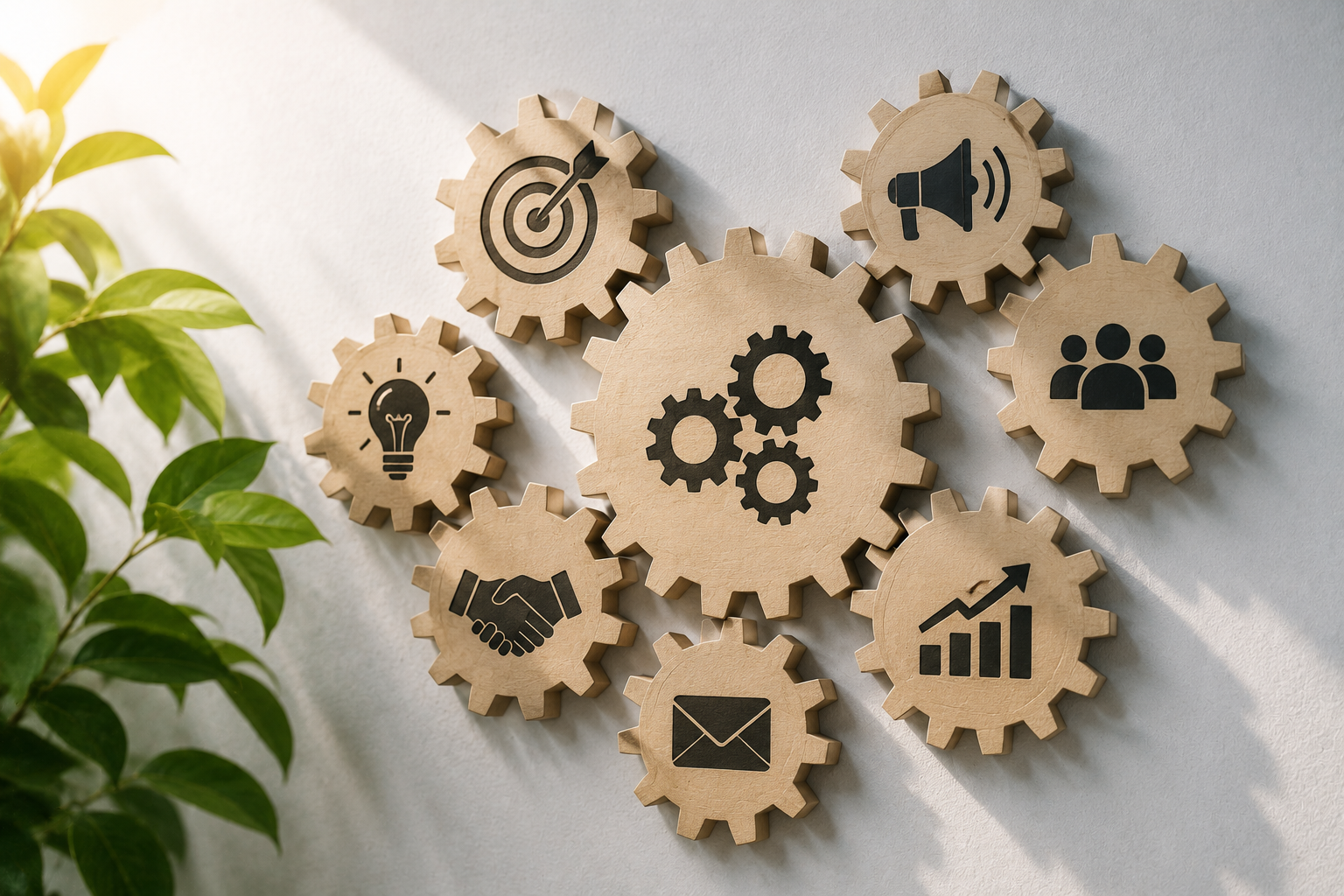
That’s why more small businesses are shifting from “doing marketing” to building marketing systems—repeatable processes that continue generating visibility, leads, and sales even when you’re focused elsewhere.
The goal isn’t to work harder. It’s to create a system that works for you.
What is a Marketing System?
A marketing system is a structured setup where your content, tools, and processes work together automatically to attract, nurture, and convert customers.
Instead of relying on:
Random posts
Last-minute campaigns
Manual follow-ups
You build a system that:
Runs consistently
Requires minimal daily input
Produces predictable results
1. Start With a Core Content Engine
At the heart of any effective marketing system is content. But not just random content—a structured content engine.
This means creating one core piece of content and turning it into multiple assets.
For example:
A blog post → short-form videos + social posts
A video → email newsletter + clips
A guide → lead magnet + carousel posts

Tools like Canva and CapCut make this process efficient without needing a large team.
Why it works:
Reduces content creation time
Increases output across platforms
Keeps your messaging consistent
2. Automate Your Distribution
Creating content is only half the job—distribution is where consistency is built.
Instead of posting manually every day, use scheduling tools like Buffer or Hootsuite to plan and automate your posts.
This allows you to:
Batch content in advance
Maintain a consistent presence
Free up time for other priorities
Result: Your marketing continues even when you’re offline.
3. Build an Automated Lead Capture System
A marketing system should do more than attract attention—it should capture it.
This is where lead generation comes in.
Set up:
Simple landing pages
Lead magnets (guides, checklists, offers)
Easy-to-use forms
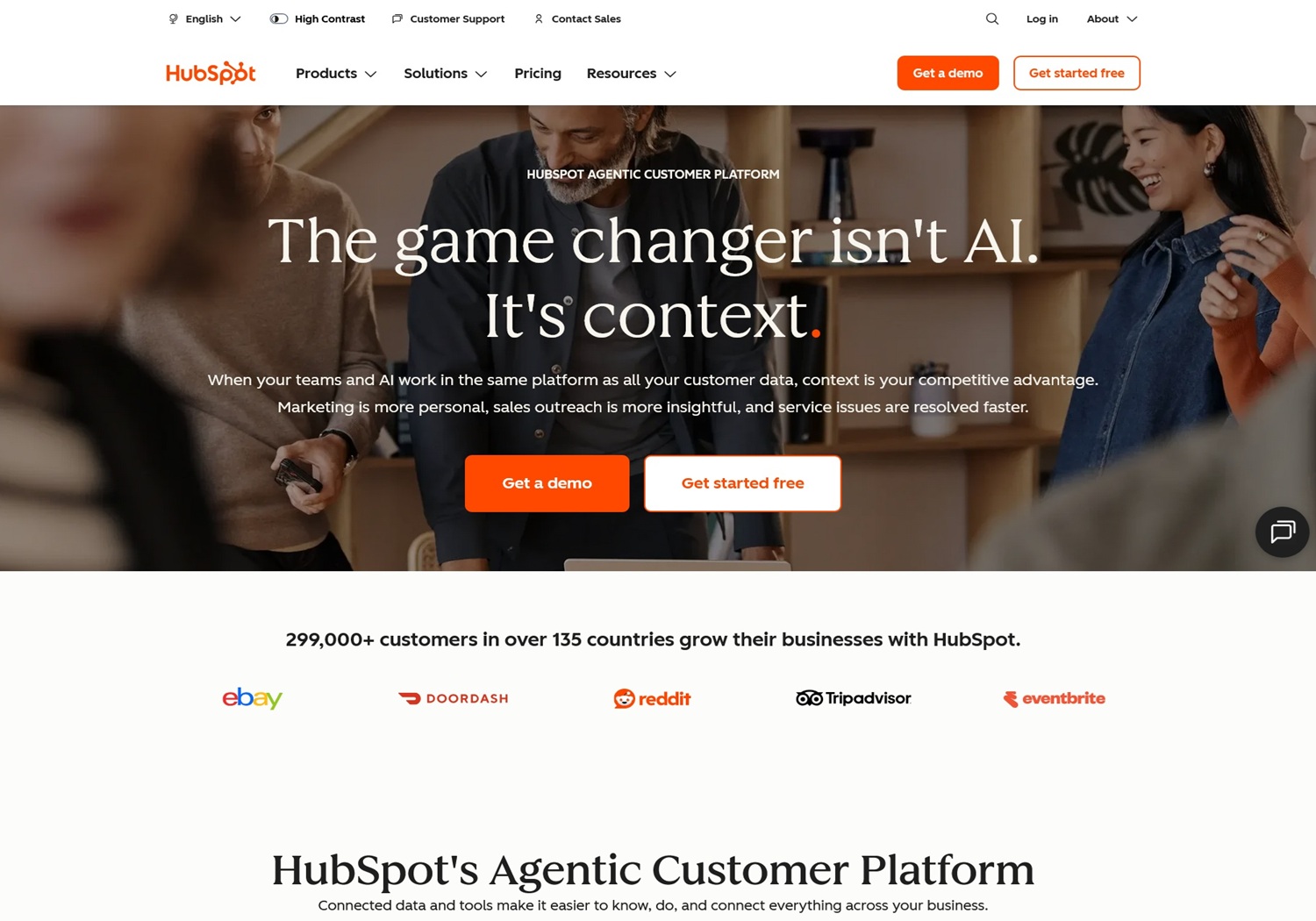
Platforms like Mailchimp or HubSpot can help you collect and manage leads automatically.
Key principle: Every piece of content should lead somewhere.
4. Create a Follow-Up Sequence That Runs Automatically
Most leads don’t convert immediately. Without follow-up, opportunities are lost.
An automated email sequence ensures that every lead is nurtured over time.
Example flow:
Day 1: Welcome email
Day 2–3: Helpful tips
Day 4–5: Case study or proof
Day 6–7: Offer or call-to-action
Once set up, this system works continuously in the background.
Why it matters:
Builds trust automatically
Keeps your brand top-of-mind
Increases conversion rates
5. Use AI to Maintain Consistency
One of the biggest barriers to maintaining a system is time. AI tools like ChatGPT can help you:
Generate content ideas
Draft posts and emails
Repurpose existing content
This doesn’t replace your voice—it supports your workflow so you can stay consistent without burning out.
6. Focus on High-Impact Activities Only
A system only works if it’s sustainable. That means focusing on what actually drives results.
Instead of trying to do everything:
Choose 1–2 main platforms
Focus on proven content types
Eliminate low-impact tasks
Key insight: Simplicity is what makes a system scalable.
7. Measure and Improve Over Time
A marketing system isn’t static—it evolves.
Track performance using tools like Google Analytics to understand:
Which content drives traffic
What converts into leads
Where improvements can be made
Then refine your system based on real data.
Final Thoughts
A marketing system isn’t about doing more—it’s about building something that keeps working even when you can’t.
By combining:
A content engine
Automated distribution
Lead capture and follow-up
Smart tools and AI
You create a system that runs in the background, supporting your business while you focus on what matters most.
Start small. Build one piece at a time. Over time, these components will connect into a system that delivers consistent results—without constant effort.