





How to Build a Multi-Channel Marketing Strategy Without a Large Team or Budget
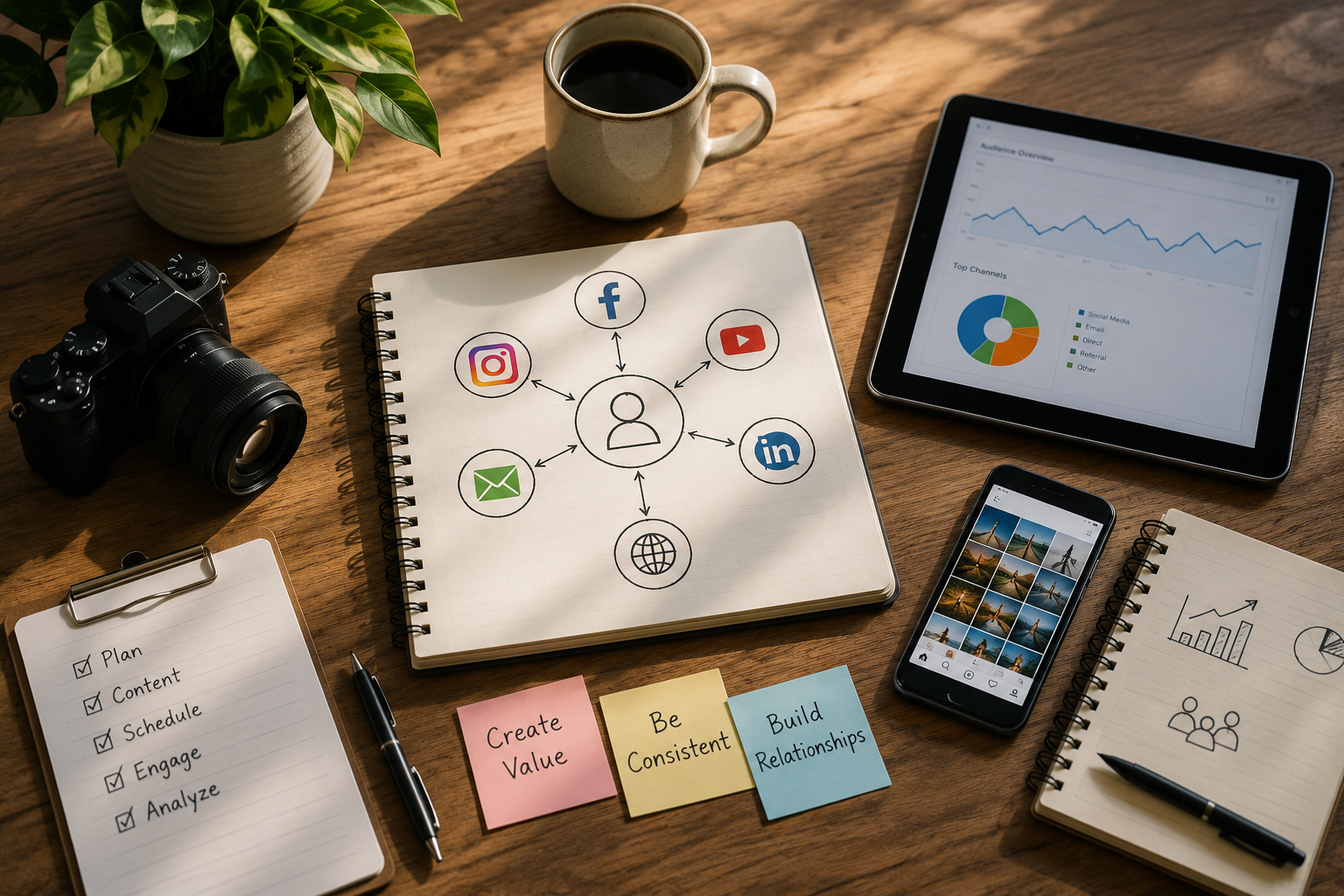
Building a strong marketing presence across multiple channels might seem like something only large companies can afford. But in 2026, small businesses are proving that with the right strategy, you don’t need a big team or a massive budget—you need a smart, focused system.
A multi-channel marketing strategy allows you to reach your audience in different places while reinforcing your message consistently. When done right, it creates more visibility, builds trust, and increases conversions—without multiplying your workload.
What is a Multi-Channel Marketing Strategy?
A multi-channel strategy means showing up across multiple platforms—such as social media, email, and your website—while delivering a consistent message.
Instead of relying on a single platform, you:
Diversify your reach
Reduce dependency on algorithms
Increase touchpoints with your audience
The goal isn’t to be everywhere—it’s to be effective where it matters most.
1. Start With One Core Platform
Trying to dominate every platform at once is a fast track to burnout. Instead, choose one primary channel where your audience is most active.
For many small businesses, that’s:
Instagram for visual brands
TikTok for reach and discovery
YouTube for long-form authority
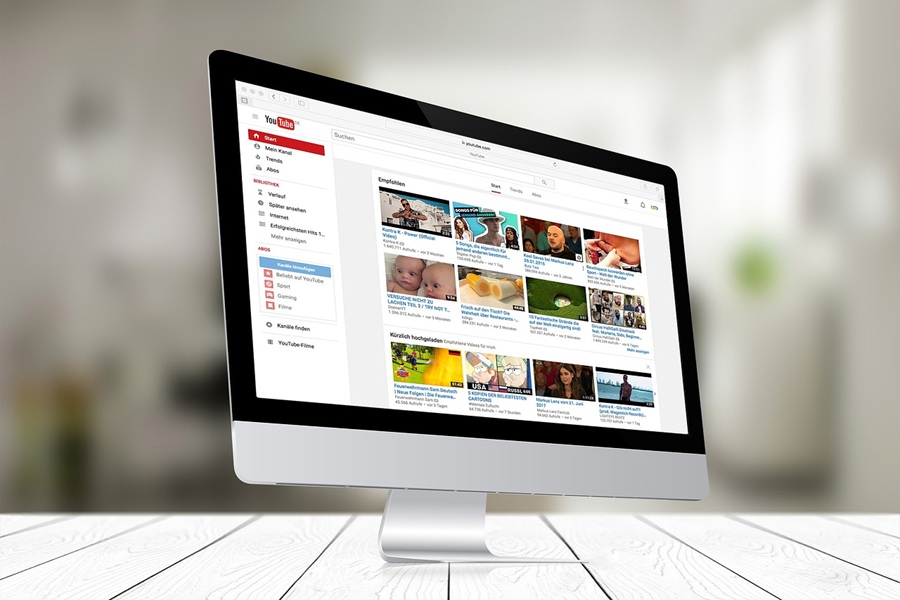
Focus your energy on mastering one platform before expanding.
Why it works:
Builds momentum faster
Keeps your efforts focused
Prevents overwhelm
2. Repurpose Content Across Channels
You don’t need to create new content for every platform. Instead, adapt one piece of content into multiple formats.
For example:
A blog post → short-form videos + social posts
A video → email newsletter + quotes
A podcast → clips + graphics
Tools like Canva and CapCut make repurposing fast and efficient.
Result: More output without more effort.
3. Build Around a Simple Content Workflow
Consistency beats complexity. Instead of overcomplicating your process, create a simple weekly workflow.
Example:
Day 1: Create one core piece of content
Day 2: Break it into smaller assets
Day 3–5: Distribute across platforms
This structured approach ensures you stay consistent without burning out.
4. Use Automation to Multiply Your Efforts
Automation allows you to maintain a presence across multiple channels without constant manual work.
You can:
Schedule posts in advance
Send automated email sequences
Trigger follow-ups based on behavior
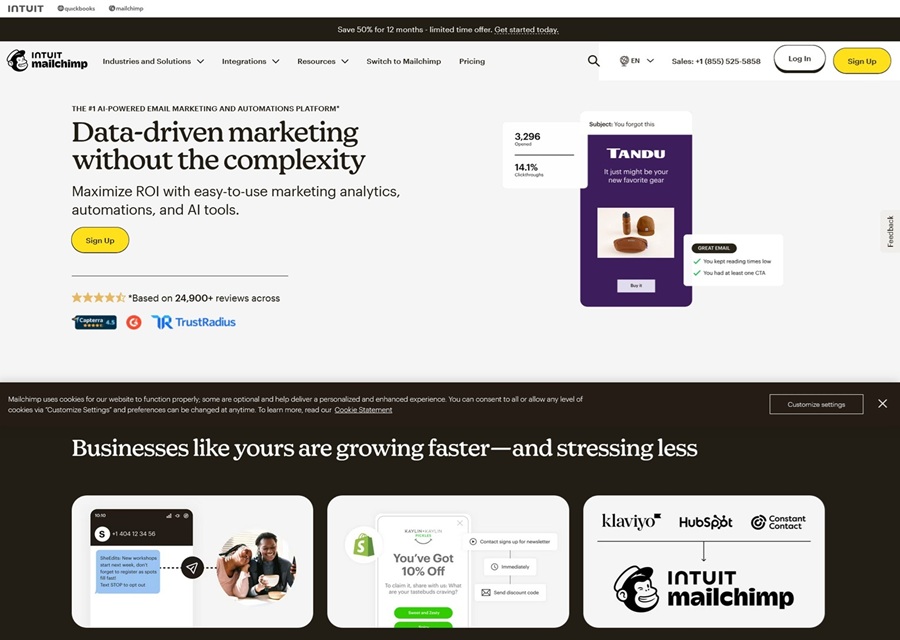
Platforms like Buffer or Mailchimp help streamline these processes.
Why it works:
Saves time
Reduces manual effort
Keeps your strategy running consistently
5. Focus on High-Impact Channels Only
Not all channels are equally valuable. Identify which ones actually drive results for your business.
Ask yourself:
Where does my audience spend time?
Which platform drives traffic or leads?
What content performs best?
Then double down on those channels and eliminate unnecessary ones.
Key insight: More channels don’t equal better results—better focus does.
6. Connect All Channels to a Central Hub
Your website or landing page should act as the central hub of your strategy.
Every platform should lead back to:
A lead magnet
A service page
A booking or inquiry form
This ensures that your efforts across platforms translate into real business outcomes.
7. Measure and Refine Over Time
A multi-channel strategy improves with data. Track performance across platforms and adjust accordingly.
Focus on:
Engagement rates
Traffic sources
Conversion rates
Tools like Google Analytics can help you understand what’s working and what needs improvement.
Final Thoughts
You don’t need a large team or budget to build an effective multi-channel marketing strategy. What you need is clarity, consistency, and a system that maximizes your efforts.
Start small:
Choose one core platform
Repurpose your content
Use automation to stay consistent
As your system grows, your reach and results will follow—without the need for more resources.