





How to Use Automation to Follow Up With Leads Before Your Competitors Do
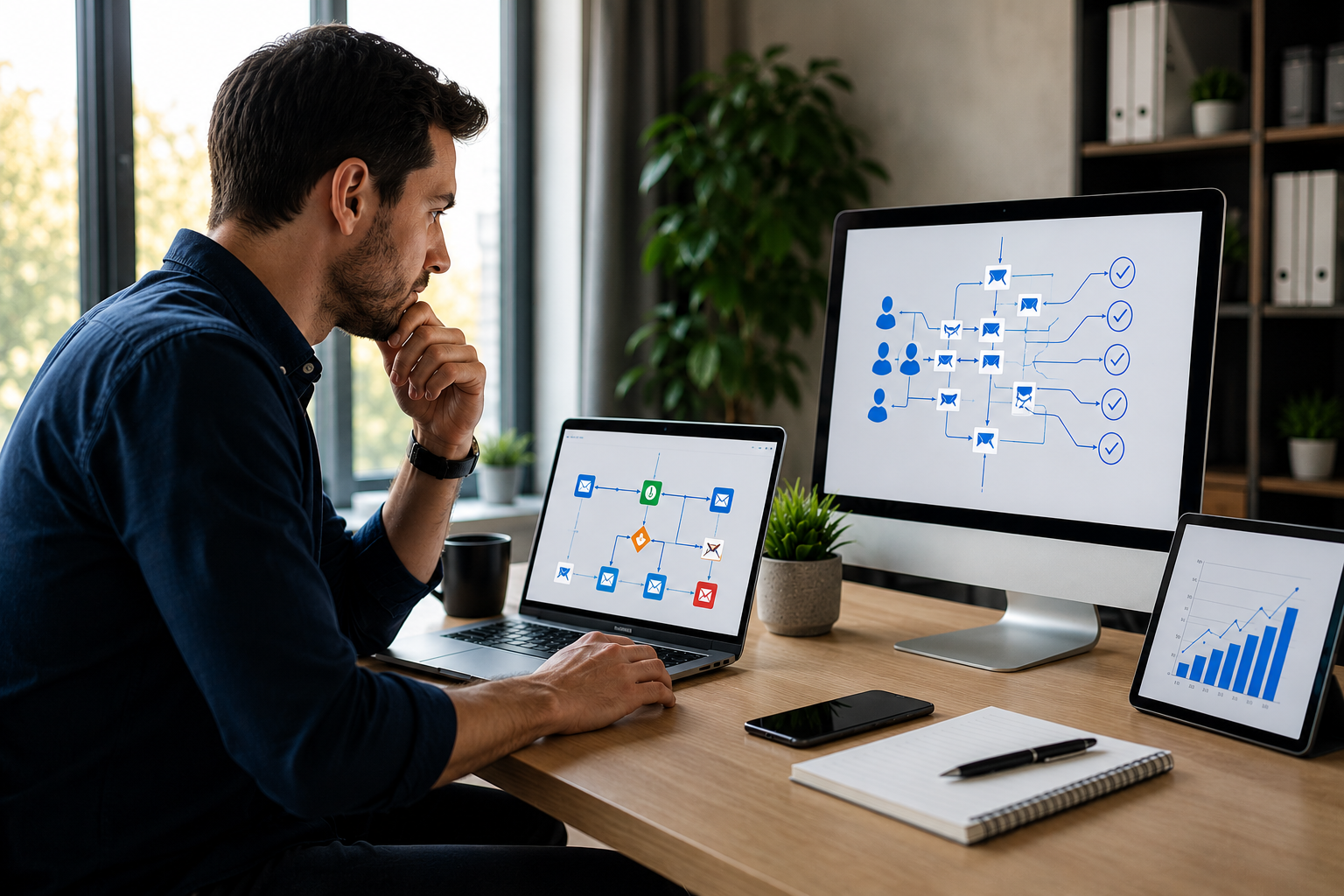
Speed matters more than ever in lead generation. When a potential customer shows interest—whether by filling out a form, clicking a link, or downloading a resource—the business that follows up first often wins the deal.
The challenge for small businesses is staying responsive without being glued to their inbox 24/7. That’s where automation becomes a powerful advantage. By setting up smart follow-up systems, you can engage leads instantly, nurture them consistently, and convert them faster than competitors who rely on manual processes.
Why Speed is Critical?
Leads go cold quickly. The longer you wait to respond, the more likely your potential customer will:
Lose interest
Forget about your offer
Choose a competitor
Automation ensures that no opportunity slips through the cracks.
Key benefit: Immediate response builds trust and keeps your business top-of-mind.
1. Set Up Instant Email Responses
The simplest and most effective automation is an instant follow-up email triggered when someone submits their information.
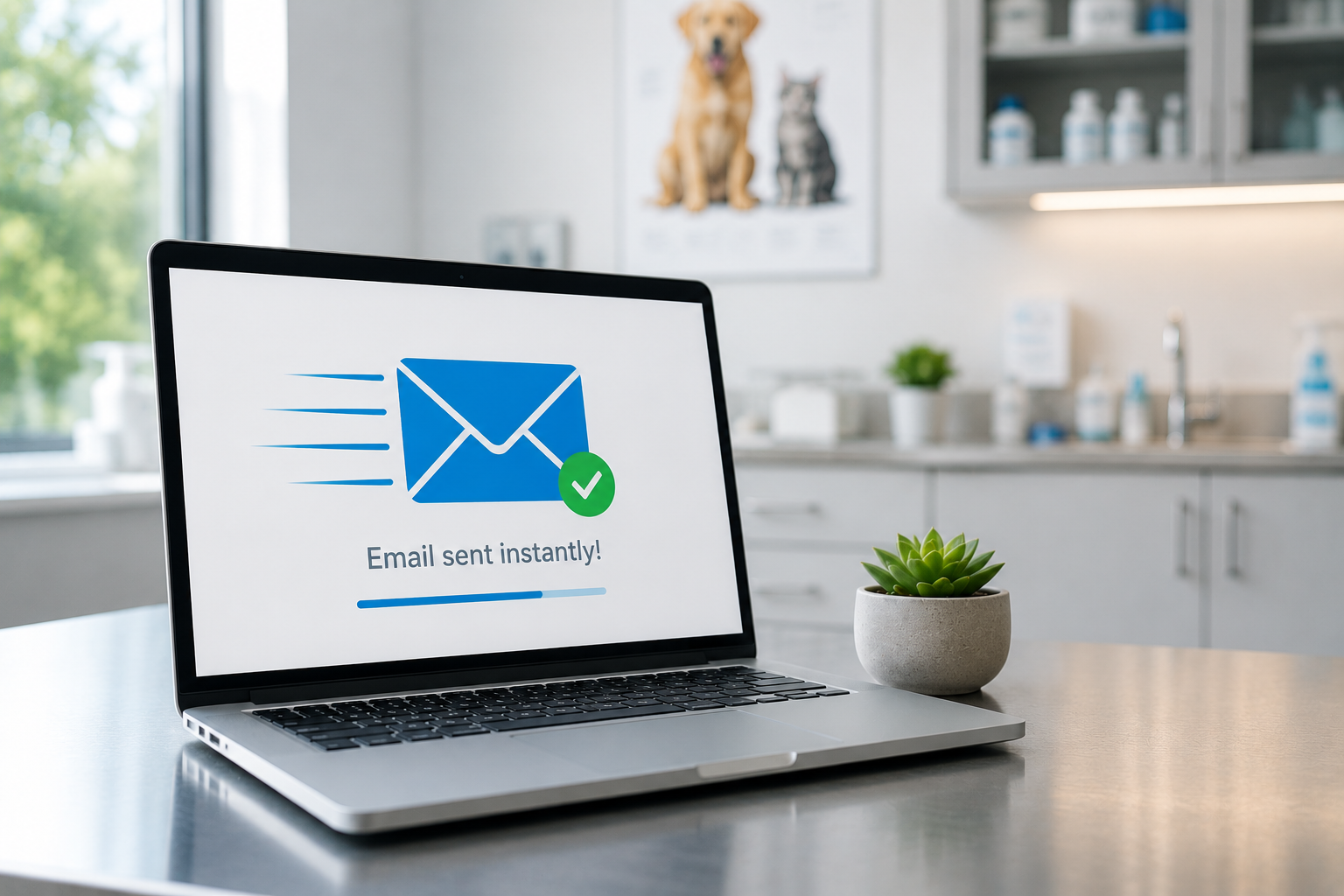
This email should:
Acknowledge their action (download, inquiry, signup)
Deliver the promised resource
Set expectations for what happens next
Tools like Mailchimp or HubSpot allow you to create automated email sequences that send within seconds.
Why it works:
Responds faster than any manual process
Reinforces trust immediately
Keeps the conversation moving
2. Build a Simple Follow-Up Sequence
One message isn’t enough. Most leads need multiple touchpoints before they take action.
A basic sequence might look like:
Day 0: Welcome email
Day 1–2: Helpful tips or insights
Day 3–5: Case study or success story
Day 5–7: Offer or call-to-action
Automation ensures these messages are delivered consistently without extra effort.
3. Use Behavior-Based Triggers
Not all leads behave the same way. Some open emails, click links, or revisit your site—while others don’t engage at all.
Smart automation tools let you trigger actions based on behavior:
Send a follow-up if a link is clicked
Trigger a reminder if no action is taken
Offer a consultation after repeated engagement
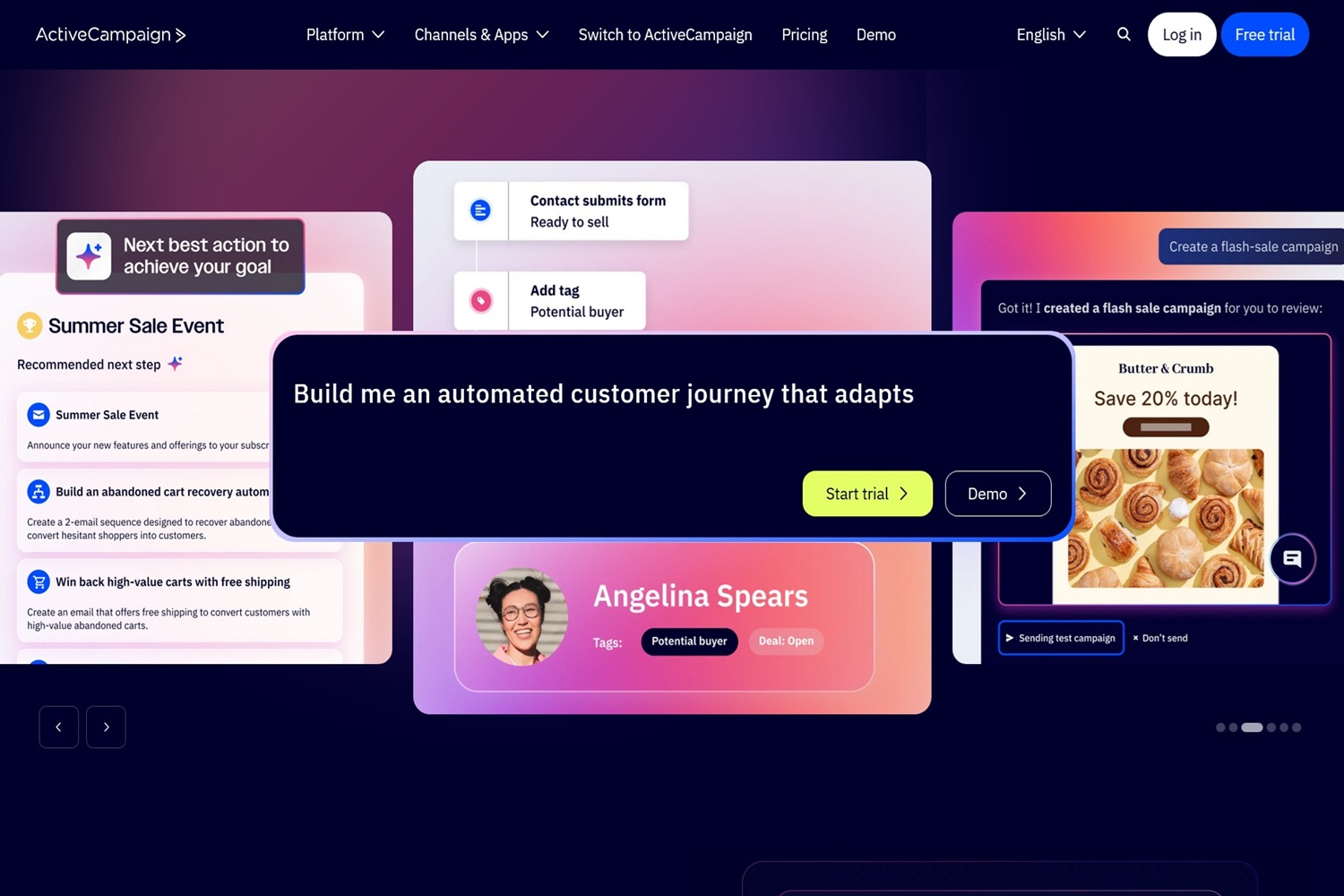
Platforms like ActiveCampaign specialize in this type of behavior-driven automation.
Why it works:
Personalizes the experience
Increases engagement
Improves conversion rates
4. Automate Lead Scoring and Prioritization
Not all leads are equally ready to buy. Lead scoring helps you identify who is most likely to convert based on their actions.
For example:
Downloading a guide = low intent
Visiting pricing page = high intent
Booking a call = ready to convert
Automation tools can assign scores and notify you when a lead reaches a certain threshold.
This allows you to:
Focus on high-value opportunities
Respond quickly to hot leads
Use your time more effectively
5. Combine Email With Other Channels
Email is powerful—but combining it with other channels creates a stronger follow-up system.
Consider adding:
SMS reminders
Retargeting ads
Social media engagement
For example, a lead who doesn’t respond to emails might still see your ad or engage with your content elsewhere.
Result: More touchpoints, higher chances of conversion.
6. Use AI to Enhance Follow-Up Messaging
AI tools like ChatGPT can help you:
Write personalized email sequences
Generate follow-up ideas
Improve messaging clarity
Automation handles delivery, while AI improves quality—giving you the best of both worlds.
7. Track and Optimize Your Workflow
Automation isn’t “set it and forget it.” To stay ahead of competitors, you need to continuously refine your system.
Track metrics such as:
Open rates
Click-through rates
Conversion rates
Use insights to:
Adjust timing
Improve messaging
Optimize your sequence
Tools like Google Analytics can help you monitor performance and identify opportunities for improvement.
Final Thoughts
The businesses that win in 2026 aren’t just the ones with the best offers—they’re the ones that respond first and follow up consistently.
Automation allows you to:
Respond instantly
Nurture leads over time
Convert opportunities more efficiently
Start with a simple system: an instant email response and a short follow-up sequence. From there, you can layer in behavior triggers, lead scoring, and multi-channel touchpoints.
The goal isn’t to replace human interaction—it’s to ensure that no lead is ever left waiting.